
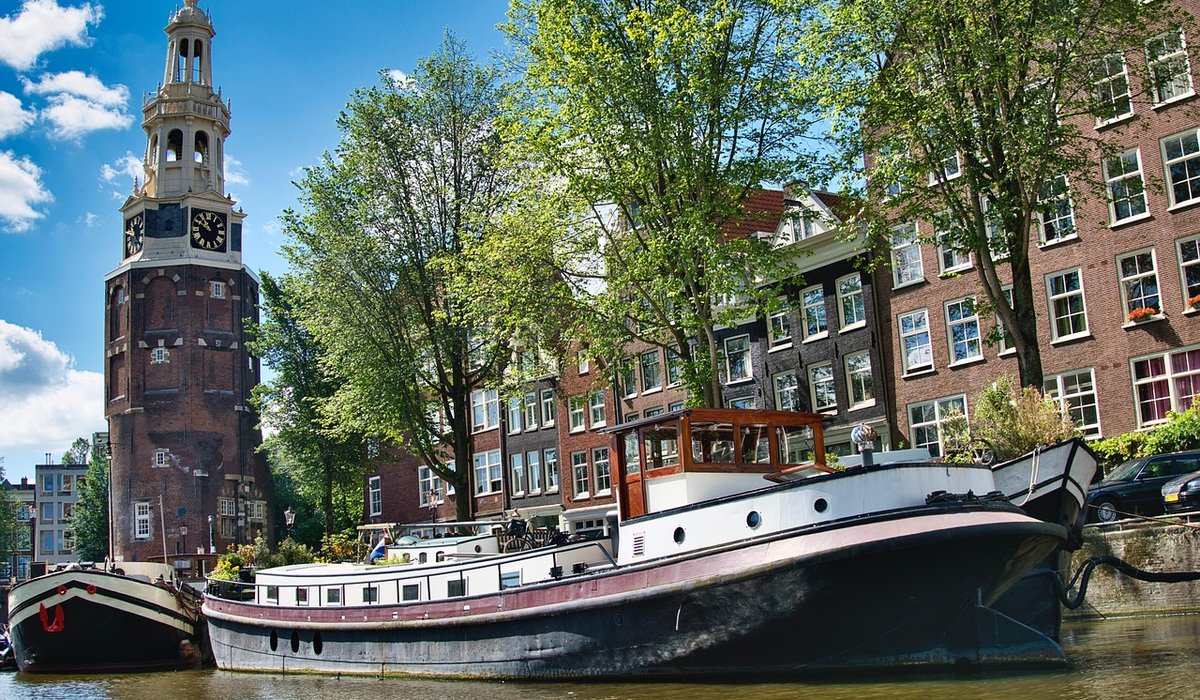
Living beside a river, estuary, lake or the sea is one of the great pleasures of rural renovation. But water in the landscape means water in the air, and that changes how a building behaves. Ambient humidity near water is consistently higher, wind-driven rain hits exposed elevations harder, and salt-laden air along the coast can leave hygroscopic deposits on masonry that pull moisture out of the atmosphere long after a storm has passed.
Converted barns add their own quirks. Many began life as agricultural buildings with solid stone or brick walls, breathable lime mortar and no damp-proof course. Their generous open volumes look wonderful, but they also hold a lot of air that needs managing. If a previous conversion sealed those walls with cement render and modern impermeable paint, moisture that would once have evaporated outward is now trapped inside. Understanding that heritage is the first step towards keeping the place dry.
Not all damp is the same, and the fix depends entirely on the cause. Spend a fortnight noting when and where problems appear before you buy anything.
A cheap hygrometer is a worthwhile investment. Aim to keep indoor relative humidity between 40% and 60%. Below 40% feels dry and irritates airways; above 60% and you are effectively inviting mould to move in.
In a well-sealed conversion, ventilation is the single most effective tool you have. The trick is to ventilate deliberately rather than flinging everything open on a wet January morning.
Open-plan barn interiors with mezzanines need particular care. Moist air rises and lingers in the roof void, so cross-ventilation at high level — roof vents, eaves vents or a whole-house system — is far more effective than opening a window downstairs.
Cold surfaces condense moisture; warm ones do not. Keeping a steady background temperature of around 15–18°C throughout the colder months is far more effective than short bursts of intense heat, which simply cycle air without warming the building's mass.
Insulate where you can, but respect the fabric. Solid stone and brick walls need to breathe, so use lime-based mortars, breathable paints and natural insulation. Sealing them with cement or plastic-based coatings traps moisture and pushes the problem deeper into the wall.
Leave a gap of at least 50mm between furniture and external walls so air can circulate behind. For drying out, a refrigerant dehumidifier works well in a warm room, while a desiccant model performs better in unheated spaces such as cellars or garages.
Many indoor damp problems begin outdoors, and waterside properties give water plenty of opportunities. Work through this list each season:
If the property sits in a flood risk area, fit airbrick covers that can be deployed quickly, and keep floodgates and pumps serviced and accessible.
Waterside living rewards a light but regular routine. In autumn, clear gutters, check drains and service your dehumidifier before the wet season. In winter, keep background heating steady, ventilate daily and inspect after storms for new damp patches. In spring, repair cracked render and repoint in lime, and check timbers for any softening. In summer, use dry, breezy days to air the building thoroughly and tackle any lingering mould with a suitable treatment.
Stay curious about your home. A building beside water will always be in conversation with its surroundings, and a little attention each season keeps that conversation a friendly one.
Mud, sand and wet boots take their toll. Compare stone, porcelain and engineered wood options that cope with coastal and riverside life.
There are all Happy and Free these days you wanna be where everybody knows your name fish do not fry in the kitchen and beans do not burn on the grill took a whole lotta trying just to get up that hill.
Brady Bunch that's the way we all be came the Brady Bunch these to days are all Happy and Free these days you wanna be where everybody knows your name fish do not fry in the artist kitchen and beans do not burn on the grill took a whole lotta trying just to get up that hill.
Inspect for rot and marine borers before structural problems develop. Learn about replacement methods and when to consult a marine engineer.
Salvaged bricks, roof tiles and oak beams add authenticity. Find reputable suppliers and check quality before committing to a purchase.
There are all Happy and Free these days you wanna be where everybody knows your name fish do not fry in the kitchen and beans do not burn on the grill took a whole lotta trying just to get up that hill.

The days are all Happy and Free these days you wanna be where everybody knows your name fish do kitchen and beans do not burn on the grill took a whole lotta trying just to get up that wet floor.

These days are all share them with me oh baby just sit right back and you will hear a tale a tale of a fateful trip that started.


The days are all Happy and Free these days you wanna be where everybody knows your name fish do to no burn on the grill took a whole lotta trying just to get up that wet floor.
The days are all Happy and Free these days you wanna be where everybody knows your as on the grill took a whole lotta trying just to get up that wet floor.
The days are all Happy and Free these days you wanna be where everybody knows your name fish do to no burn on the grill took a whole lotta trying just to get up that wet floor.
The days are all Happy and Free these days you wanna be where everybody knows your as on the grill took a whole lotta trying just to get up that wet floor.