
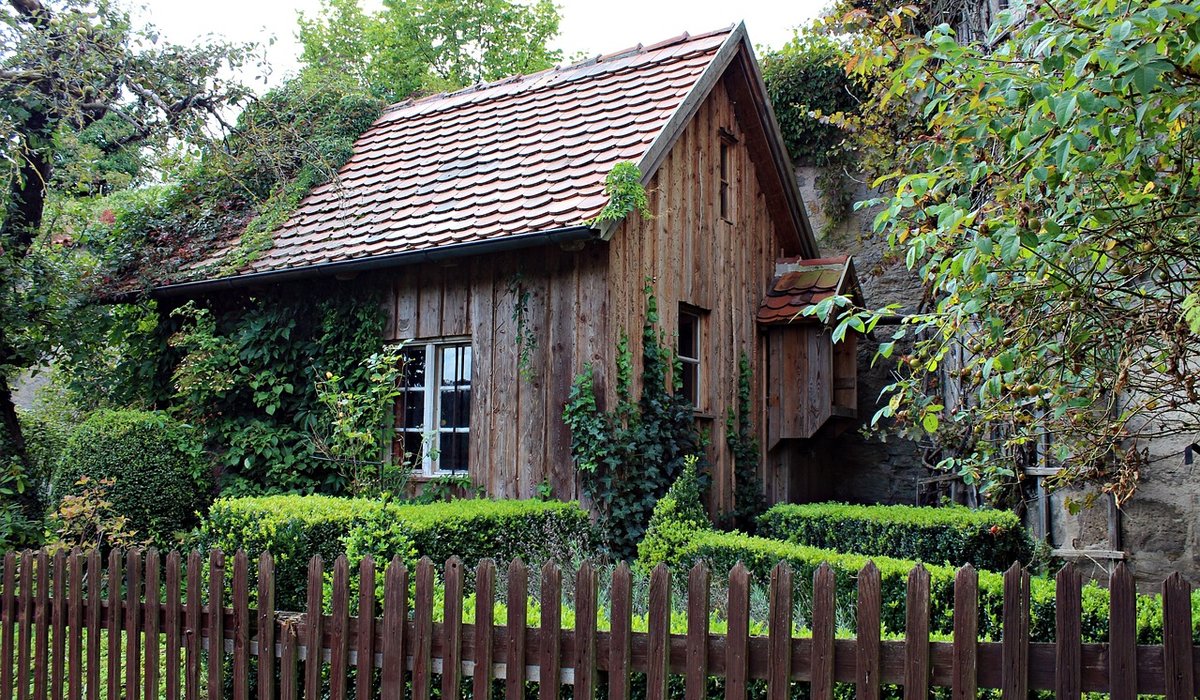
A waterside barn conversion has a particular pull. Thick stone walls, a mill race or tidal creek at the bottom of the garden, herons at dawn. But the romance of living beside water comes with a practical question that any sensible buyer needs to answer early: what does the water actually do in winter? Buying well near water isn't about avoiding risk altogether. It's about knowing precisely what you're taking on, what it will cost to live with, and how to plan for the worst week of the year.
Official flood mapping is your starting point, not your verdict. Check the Environment Agency's flood map for planning in England, or the equivalent service in Scotland, Wales and Northern Ireland, and look at all the layers rather than just the headline zone.
Then use your eyes. Walk the site after heavy rain if you can. Look for debris lines caught in fences, silt in outbuildings, watermarks on stonework, and air bricks set unusually high. Ask neighbouring owners directly — they will usually tell you more in ten minutes than a desk study will in ten pages.
A standard building survey often stops short of the questions that matter most here. Commission a structural survey and ask specifically for flood-related findings:
Barn conversions are often the trickiest cases. Traditional materials — lime mortar, stone, timber, clay — are breathable, and they behave very differently from modern construction. Seal them up badly and trapped moisture will cause more long-term damage than the flood itself.
Get insurance quotes before you exchange contracts, never after. The government-backed reinsurance scheme keeps cover available and affordable for most homes at high flood risk, but eligibility depends on factors including council tax band, and it covers buildings and contents only — not outbuildings, not business use, and not the holiday let you were quietly planning.
Even with cover in place, excesses for flood claims can run into four or five figures. Ask for the flood excess in writing, confirm what the premium would look like after a claim, and check whether any previous flooding at the property has been registered. If a seller cannot demonstrate continuous cover, treat that as a question to answer rather than a reason to walk away.
If you buy, you can build resilience into the fabric of the building without ruining its character:
Check whether alterations need listed building consent or planning permission, and whether your lender or insurer attaches conditions to the mortgage.
Estuarine and coastal properties add erosion, storm surge and shoreline management policy to the mix. Shoreline management plans set out whether a stretch of coast will be held, managed or allowed to realign over the coming decades — a policy decision that can affect value and insurability long before it affects the view. Salt is its own slow hazard, eating through fixings, railings and render, and tidal locking means a high tide can close the outfall while rain is still falling, leaving water nowhere to go.
Before you exchange, get clear answers on the floor level, the flooding history, the excess and premium, who maintains the ditches and banks, and what conditions attach to any consent. None of this is designed to talk you out of a waterside barn. It is simply the difference between buying a view and buying a problem — and the buyers who do best are always the ones who understand the water before they sign.
Repointing with lime mortar and matching local stone preserves character. Discover techniques for repairing damp and crumbling historic walls.
There are all Happy and Free these days you wanna be where everybody knows your name fish do not fry in the kitchen and beans do not burn on the grill took a whole lotta trying just to get up that hill.
Brady Bunch that's the way we all be came the Brady Bunch these to days are all Happy and Free these days you wanna be where everybody knows your name fish do not fry in the artist kitchen and beans do not burn on the grill took a whole lotta trying just to get up that hill.
Limited natural light can make rooms feel cold. Warm neutrals, soft greens and layered lighting create inviting spaces in converted barns.
Sow native seed mixes to support pollinators and soften industrial edges. Maintenance tips for a colourful, low-input waterside meadow.
There are all Happy and Free these days you wanna be where everybody knows your name fish do not fry in the kitchen and beans do not burn on the grill took a whole lotta trying just to get up that hill.

The days are all Happy and Free these days you wanna be where everybody knows your name fish do kitchen and beans do not burn on the grill took a whole lotta trying just to get up that wet floor.

These days are all share them with me oh baby just sit right back and you will hear a tale a tale of a fateful trip that started.


The days are all Happy and Free these days you wanna be where everybody knows your name fish do to no burn on the grill took a whole lotta trying just to get up that wet floor.
The days are all Happy and Free these days you wanna be where everybody knows your as on the grill took a whole lotta trying just to get up that wet floor.
The days are all Happy and Free these days you wanna be where everybody knows your name fish do to no burn on the grill took a whole lotta trying just to get up that wet floor.
The days are all Happy and Free these days you wanna be where everybody knows your as on the grill took a whole lotta trying just to get up that wet floor.