
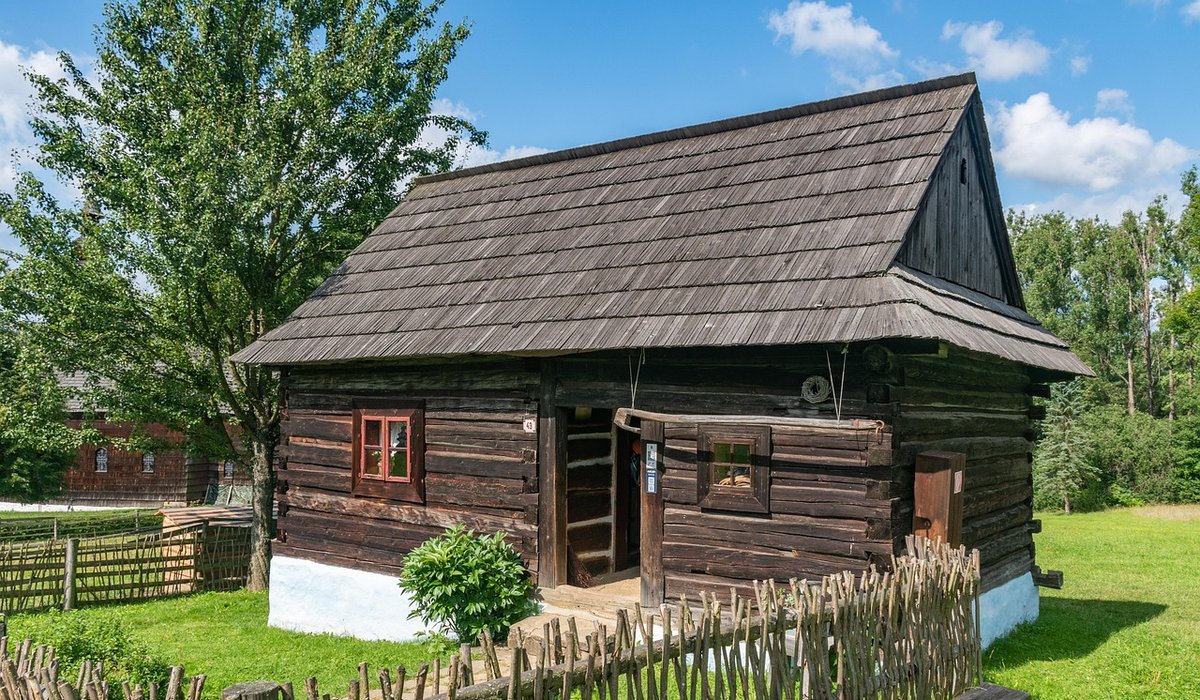
A converted barn beside a working wharf has a beauty all of its own: tarred timber, rusted bollards, the smell of low tide and a horizon that changes colour every hour. What it rarely has is good soil. Between the hardstanding, the old coal store and the patch where a digger once turned, you are usually looking at compacted gravel, rubble and a thin skim of something that only just qualifies as earth. That is precisely why a wildflower meadow suits the place. Native meadow plants evolved on thin, poor, undisturbed ground, and they will make a far better job of your wharf-side plot than a lawn ever could. A meadow needs no feeding, no watering once established and about two cuts a year. In return it softens hard industrial edges, holds a bank together and fills the summer with bees, hoverflies and butterflies.
Spend a week watching the site before you buy a single seed. Note where the wind funnels, which strips catch salt spray in a south-westerly, and where water sits after rain. Wharf-side ground is often a patchwork: compacted hardcore, a band of silt dredged up years ago, gritty sand near the water, and richer soil where a barn drain discharges. Each behaves differently.
Test the pH with a simple kit; most coastal plots sit between neutral and slightly alkaline, which suits a wide range of natives. If the wharf is still worked, check with whoever manages the quay before you cultivate anything near the water. Then leave the functional strips alone: gangways, ladder access, lifebuoy points and sight lines all need to stay clear. Aim for meadow in the generous, overlooked corners, with mown edges around anything that has to work.
Buy British-origin native seed, and be suspicious of cheap mixes that hide agricultural grasses. On an exposed waterside plot, choose species with a proven coastal pedigree:
Add yellow rattle if the ground is grassier than you would like. This native hemiparasite weakens competitive grasses and opens space for flowers — the single most useful tool in a low-input meadow.
Late August to mid-October is the best window on a coastal site; roots establish before winter and yellow rattle gets the cold spell it needs. A spring sowing from March to April will work, but expect more weeds and less rattle.
Do not improve the soil. No compost, no topsoil, no fertiliser — richness only grows grass. Rake or lightly scarify the surface to make a tilth, then broadcast your mix in two passes at right angles at roughly 4g per square metre for a flower and grass mix, or 2g if you are sowing flowers into existing thin grass. Rake in, then firm with a roller or by treading. Water only if a dry spell follows within the first six weeks. Expect a modest first year, a better second, and a proper meadow by the third.
The rhythm is simple, but timing matters.
Where diesel, oil or paint might spill, keep drip trays under machinery and store nothing on the meadow. Contaminated ground grows very little, and repairs take years.
Keep a mown margin of about 60cm along paths, steps and quay edges. It signals that the meadow is deliberate rather than neglected, gives you somewhere dry to walk in wet weather, and stops seed heads flopping into doorways. Leave a few taller clumps of knapweed or teasel standing through winter for the goldfinches, and let the seed heads catch the frost.
Then sit back with a mug of tea and watch. A wharf-side meadow will never be neat, and that is the point. It will be loud with insects by July, gold in October, and entirely at home against the tarred timbers and the tide.
Learn basic boat handling, safety checks and route planning for calm inland waterways. Ideal for new owners with their own mooring.
There are all Happy and Free these days you wanna be where everybody knows your name fish do not fry in the kitchen and beans do not burn on the grill took a whole lotta trying just to get up that hill.
Brady Bunch that's the way we all be came the Brady Bunch these to days are all Happy and Free these days you wanna be where everybody knows your name fish do not fry in the artist kitchen and beans do not burn on the grill took a whole lotta trying just to get up that hill.
Old maps, title deeds and local archives reveal a building's past. Trace former uses and previous owners before starting renovations.
Open spaces can feel draughty. Use rugs, bookcases and a wood-burning stove to carve out a warm retreat within a large barn.
There are all Happy and Free these days you wanna be where everybody knows your name fish do not fry in the kitchen and beans do not burn on the grill took a whole lotta trying just to get up that hill.

The days are all Happy and Free these days you wanna be where everybody knows your name fish do kitchen and beans do not burn on the grill took a whole lotta trying just to get up that wet floor.

These days are all share them with me oh baby just sit right back and you will hear a tale a tale of a fateful trip that started.


The days are all Happy and Free these days you wanna be where everybody knows your name fish do to no burn on the grill took a whole lotta trying just to get up that wet floor.
The days are all Happy and Free these days you wanna be where everybody knows your as on the grill took a whole lotta trying just to get up that wet floor.
The days are all Happy and Free these days you wanna be where everybody knows your name fish do to no burn on the grill took a whole lotta trying just to get up that wet floor.
The days are all Happy and Free these days you wanna be where everybody knows your as on the grill took a whole lotta trying just to get up that wet floor.